

Translation of rare languages with AI + subcontractor verification – an efficient model, acceptable quality
Rare languages have always been a challenge in the translation market. There are few truly available professionals, turnaround times are long, and prices are often disproportionately high. However, AI-based translation has fundamentally changed this segment – provided that it is combined with human review and editing.
Transword Translation Agency uses a carefully constructed, cost-effective model that offers a reliable, commercially viable solution even for rare languages.
How does the process work in practice?
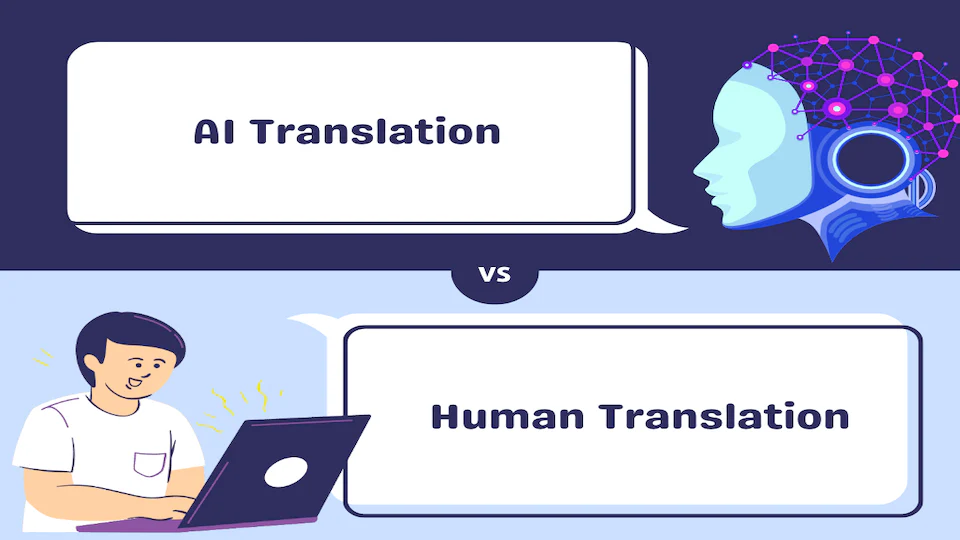
The workflow is transparent and fast. The client submits the source text, which is first translated by artificial intelligence, typically ChatGPT or DeepL. Then comes the critical point: the text is checked by a subcontractor who specializes in a given language and has native or high-level proficiency. The purpose of the review is not to retranslate the text, but to check the meaning, terminology, and linguistic correctness, typically at 20-40% of the cost of traditional translation fees.
In the final step, Transword Translation Agency edits, standardizes, and formats the material, then issues the final document. The client receives an acceptable, publishable, human-checked translation.
For which languages is this model particularly effective?
This approach works particularly well for languages where traditional translation capacity is limited or difficult to access. These include Kazakh, Romanian, Polish, Slovenian, Turkish, Norwegian, Hebrew, and Arabic, as well as a number of other less frequently requested language pairs. The model is flexible and can be adapted to language requirements.
Why does it work commercially?
AI performs the most time-consuming basic work, the subcontractor performs targeted checks, and the final quality and format control is done in-house. As a result, project costs remain controllable, while responsibility for the entire process is concentrated in one place.
This structure allows a significant portion of the project’s profit margin—typically 40-60%—to remain with the service provider, while the client receives a human-checked service rather than a “cheap AI translation.”
Who is this solution ideal for?
For companies that communicate in rare languages but cannot afford long deadlines and traditional translation costs. For projects where content accuracy is important but a full, classic translation workflow is not justified. And for anyone who accepts the role of AI – but expects human control.
Rare languages should not mean compromise
Translating rare languages is no longer a dead end, but a structured, manageable process.
The Transword Translation Agency model makes this process transparent, fast, and commercially sustainable.
📧 transword01@gmail.com
🌐 www.transword.hu
🤝 Our partner: Express Fordítóiroda